So, if you’re going to drink beer or other alcoholic drinks, try not to drink too much and avoid your other triggers where possible. Drinking even a small amount of alcohol can trigger headache symptoms in certain individuals. These symptoms may begin within minutes or hours of drinking and vary widely in severity.
- It’s important to understand the underlying factors that contribute to this phenomenon, as it can help us better navigate our alcohol consumption and make informed choices.
- The duration of a beer headache can vary depending on the individual and the severity of the headache.
- Headaches caused by beer are commonly referred to as “beer headaches,” but the reasons for these headaches can vary significantly between individuals.
- If you find that you’re particularly sensitive to beer, consider limiting your intake to one or two beers and observe how your body reacts.
- Understanding these factors can help individuals make informed decisions about alcohol consumption and manage their risk of experiencing headaches effectively.
Dehydration and Headaches
If you suspect that alcohol sensitivity or intolerance may be contributing to your headaches, consider keeping a journal to track your symptoms and identify potential triggers. You may also want to consult with a healthcare professional for further evaluation and guidance. The DAIH is commonly known as the hangover headache, which might typically occur around 12 hours after drinking alcohol.
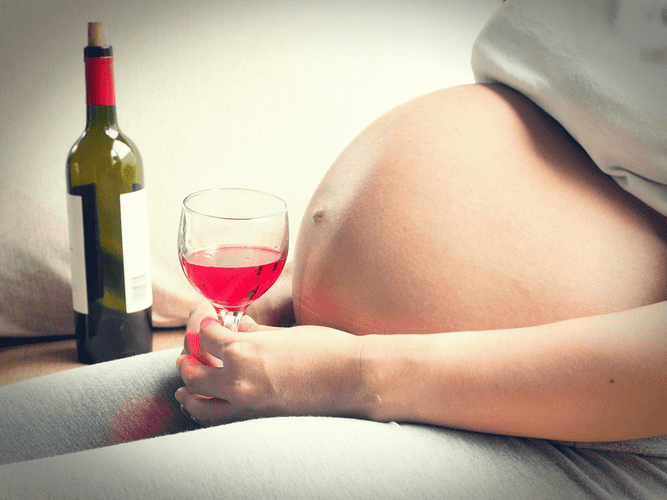
Individual Sensitivities and Allergies
When you drink beer, you may not immediately feel thirsty, but your body is gradually becoming dehydrated. As dehydration worsens, you may experience symptoms like headaches, dizziness, and fatigue. To counteract this effect, it’s important to drink water alongside alcohol to stay hydrated. Enjoying beer responsibly can help you avoid not just headaches, but other potential health issues as well.
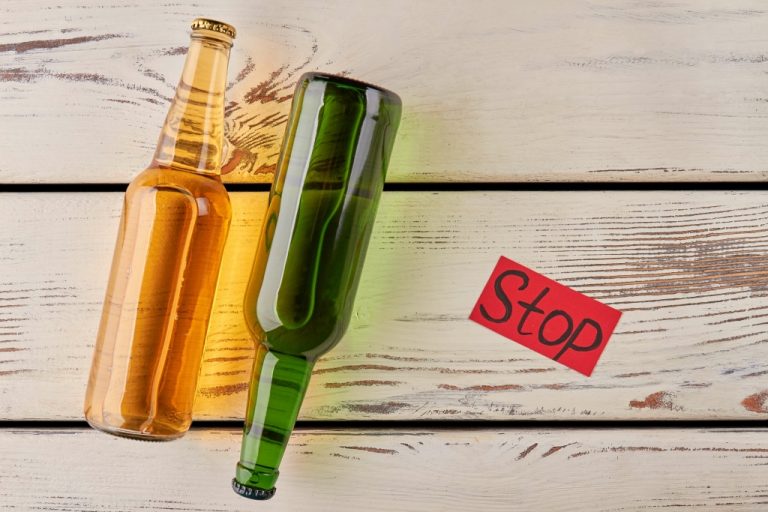
Genetic Predisposition and Lifestyle Factors
Aim for one glass of water for every alcoholic beverage to maintain hydration. While alcohol intolerance is not a true allergy, it can still pose serious health risks, particularly if ignored or overlooked. Regular alcohol consumption in individuals with alcohol intolerance can increase the probability of developing cancers of the upper GI tract, as well as heart disease and stroke. Chronic alcohol exposure can itself cause epigenetic modifications, altering the expression of genes involved in alcohol metabolism, including ALDH2. For individuals with ALDH2 deficiencies, these epigenetic changes can worsen the body’s ability to break down acetaldehyde, resulting in more frequent or severe symptoms over time.
What causes headaches after drinking alcohol?
Plenty of people experience unpleasant headaches as a result of alcohol consumption. Even a single drink can be enough to trigger head pain, nausea, and dizziness in some unlucky folks. If you are susceptible to headaches after consuming alcohol, it is best to drink in moderation or avoid alcoholic beverages altogether. Generally, lighter-colored beers with lower alcohol content and minimal added sulfites are less likely to trigger headaches.
These congeners—such as histamines, tannins, and fusel alcohols—are often blamed for hangovers and headaches. The higher the congener content Sober living house in a beer, the more likely it is to cause a headache. Darker beers, like stouts and porters, tend to have higher congener levels than lighter beers, which may explain why people are more likely to get a headache from these varieties. Non-alcoholic beer has been gaining popularity among individuals seeking the social experience of beer without the intoxicating effects.

The way draft beer is served also has a significant impact on how you feel afterward. The glassware used for serving draft beer can affect the beer’s aroma, flavor, and overall drinking experience. Additionally, the foam (head) of the beer plays an important role in this dynamic. One common issue in draft beer systems is dirty or unclean beer lines. If the lines that carry the beer from the keg to the tap are not cleaned regularly, bacteria can build up, and beer why does 1 beer give me a headache residues can spoil. The presence of these contaminants can alter the flavor and increase the likelihood of headaches.
Reasons of Why Do I Get a Headache After Drinking A Small Amount Of Alcohol?
Eating food, especially a meal rich in protein and complex carbohydrates, helps slow down the absorption of alcohol into your bloodstream. This can help prevent the rapid fluctuations in blood sugar and hydration that can trigger headaches. Drinking beer too quickly can lead to a rapid increase in blood alcohol levels, which can trigger headaches.